
SLAVE
Spanish
TRADE
An estimated two million enslaved people lived in Spain between 1450 and 1750, the majority of whom were Black. Of these, those who were female were more sought after: they were used for sexual service, performed domestic work, and their children were born enslaved. Ownership of enslaved people was a mark of status and was widespread, especially in urban centers. From the 15th to the 17th century there were Black communities in Spain, including Barcelona. These were formed by enslaved people, mostly Africans, who were not considered – not legally recognized as – people, but their presence did leave an indelible mark on the cultural landscape, nonetheless.
Christopher Columbus’ first voyage sailed from Palos, Spain in August 1492. He returned to Spain in 1493 and displayed “gold, parrots, spices, and human captives” to King Ferdinand II of Aragon and Queen Isabella I of Castile in Barcelona. With increased popularity, Columbus was given more backing to sail with 17 ships from Cadiz to the Caribbean in September 1493.
Spain began to trade enslaved people in the 15th century, with this trade reaching its peak in the 16th century. The Native American populations were the initial laborers, but they died in enormous numbers because of war, diseases, exploitation, and social disruptions. Meanwhile, the need for labor continued to expand.
Friar Bartolomé de las Casas, concerned about the fate of the natives, argued in 1516 that white and black slaves should be imported to replace the Native Americans. Enslaved Africans had certain advantages over native enslaved people, such as being resistant to European diseases and having more familiarity with agricultural techniques. This preference led to the development of the Spanish Atlantic Slave Trade.
In the 18th and 19th centuries, merchants who sailed to make their fortune in Spain’s colonies were celebrated for their investment in railroads, urban, industrial, health infrastructure improvements, and artistic movements such as Catalan Art Nouveau. In the 19th century, the port of Barcelona was a place of departure for slave ships. Additionally, a large number of merchants and slave owners from Cuba and Puerto Rico settled in Barcelona, investing their capital in the Catalan economy and also in the purchase and construction of buildings.
(This catalog from the Maritime Museum of Barcelona's exhibition The Infamy. Catalan involvement in colonial slavery documents Catalan participation in the transatlantic trade of captive people for slavery and the extent to which Catalan merchants, especially in Cuba and Puerto Rico, acquired slave labor.)
In 1817 Spain signed a treaty with the United Kingdom that abolished the transatlantic slave trade. However, the arrival of new enslaved people to Spanish America, especially Cuba and Puerto Rico, continued until very late in the 19th century. These territories were part of the Spanish Crown before and after independence. Cuba was the last colony to abolish slavery in 1886.
Activity: Discuss the implications of exploration and extraction on indigenous and enslaved populations.
15th-19th Centuries
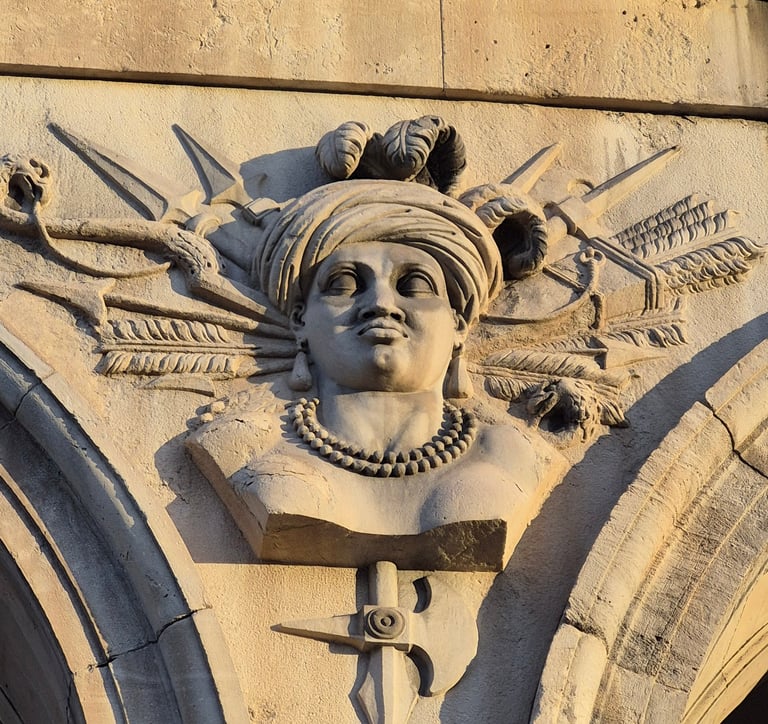
Xifré House
Passeig d’Isabel II, 14
Josep Xifré i Casas, accumulated his capital in Cuba and reinvested it in New York. In 1830 he acquired the land where he built his house a decade later. The building is well-known for its portico. Sometimes missed are the numerous allegorical reliefs on its façade, including an African, an Indian, symbols of commerce, navigation and fortune, and images of children holding crops, and medallions of colonizers and conquistadors.
1
Llotja de Mar
Passeig d'Isabel II, 11
This chamber of maritime commerce was also the location of the founding of the Spanish-Overseas Circle in 1871, with Joan Güell and Antonio López as president and vice president, respectively. In 1873, it was also the birthplace of the Liga Nacional, an organization opposed to the abolition of slavery in Puerto Rico. Its first vice president was Antonio López, and among its 72 representatives were Tomás Ribalta and Eusebi Güell.
2
Plaça Idrissa Diallo
A monument to Antonio López i López was erected in 1884, only a year after his death. In 1881, he founded the Transatlantic Company of Barcelona and was given the title of Marquee of Comillas, in honor of his native town in Cantabria. The plot of land was ceded by the City Council of Barcelona, which also changed the name from Plaça San Sebastian to Plaça d’Antonio López. The original statue was torn down in 1936 and substituted with the picture of captain Maximiliano Biardeau as “Martyr of Liberty,” for being mortally wounded on October 6, 1934 after offering his services to the Catalan Republic. The statue of Lopez was recreated by Frederic Marès and reinstated in the plaza, but removed again in 2018 for the explicit reason of his relationship with slavery.
In the 2000s, citizen campaigns successfully lobbied to have the name changed to honor Idrissa Diallo, a young Guinean migrant who climbed the border wall in Melilla in 2011 and later died from respiratory failure while in custody in Barcelona.
3
Hispano Colonial Bank
Carrer Ample 3
Created in 1876, with Antonio López i López as its main founder and first president. This institution channeled investor funds to help Spain fight the Ten Years’ War in Cuba (1868-1878), an unsuccessful nationalist rise against Spanish rule.
4
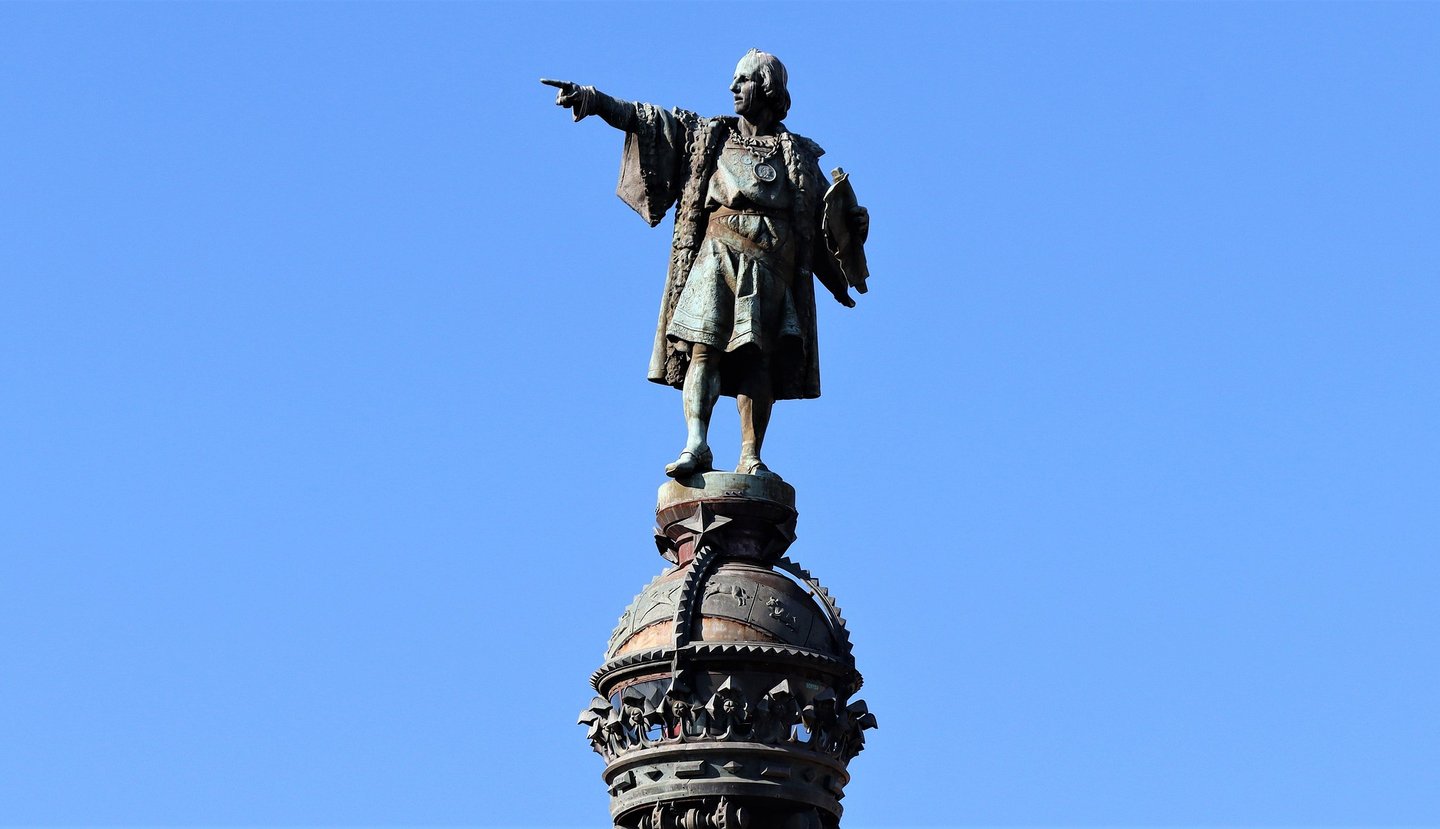
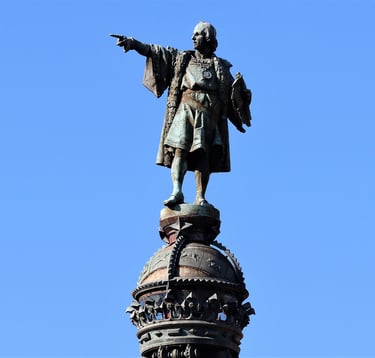
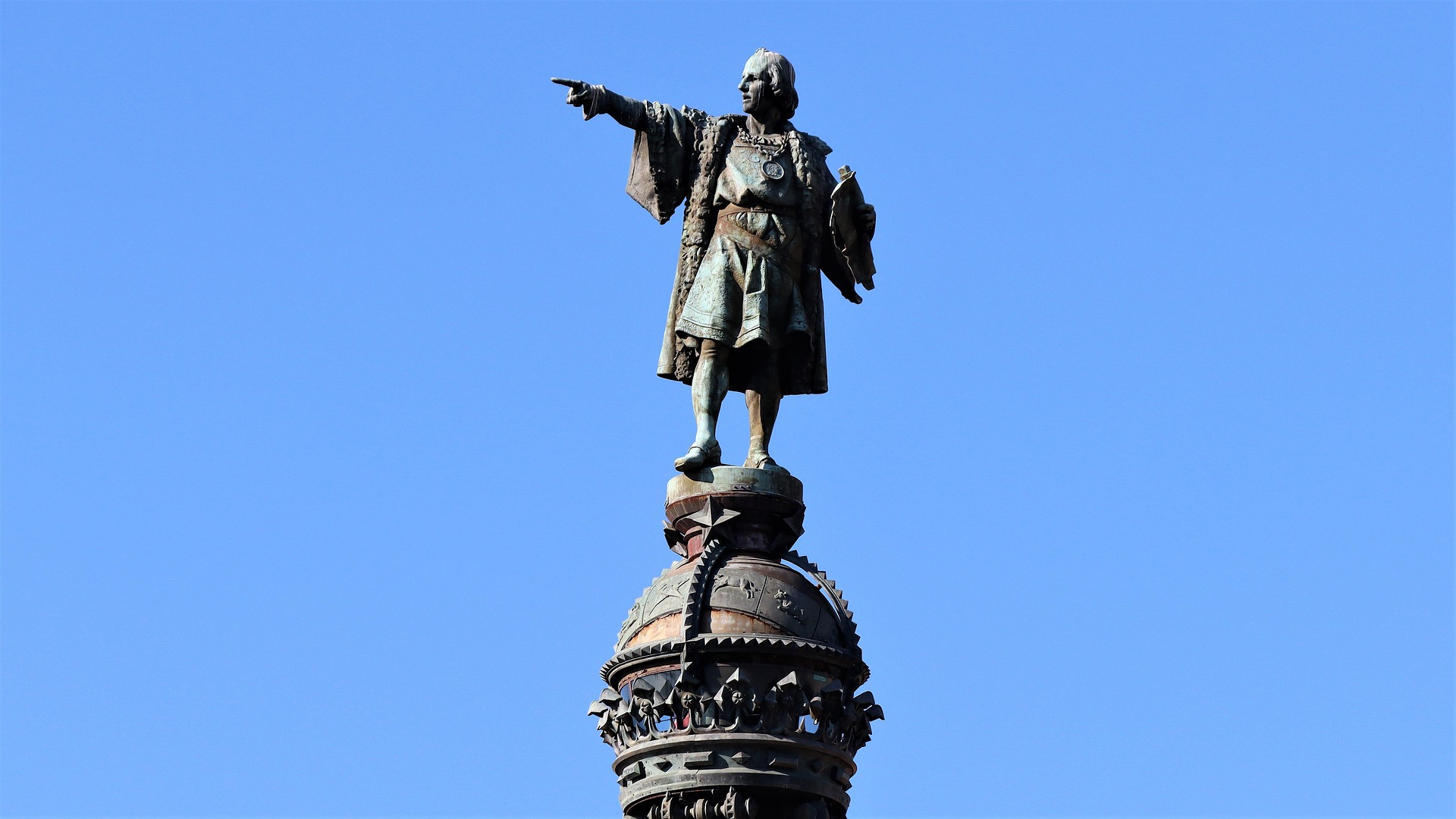
Columbus Monument
Before the monument was built, Columbus was revered alongside the Catholic Kings by supporters who sought to tie the birth of modern Spain to its establishment of the American empire. Columbus also symbolized the success of Spanish imperialism because, according to the writer, all conquests are a sign of power and prosperity. Catalonia played a leading role in Spain's veneration of Columbus. But from the outset, the meaning of the Columbus monument took a unique course: it was an ode to the individual values of the entrepreneur; an imperial gesture fitting the interests of
the Catalan industrial and commercial elites.
5
The monument was finished in 1888 for the Universal Exposition of Barcelona, in anticipation of the commemoration of the fourth centenary of the arrival of Columbus in the Americas. A bas relief between the shields of Puerto Rico and Cuba - then Spanish colonies - illustrates contact with the first captives unwillingly brought from the Antilles, with another showing their presentation to King Ferdinand and Queen Isabella. On the base of the monument there are two sculptures of kneeling Indians, each in front of friar Bernat de Boïl, and Captain Pere Margarit. These are references to the religious and political submission to which the Indians were forced, making them the first enslaved peoples in the Americas.
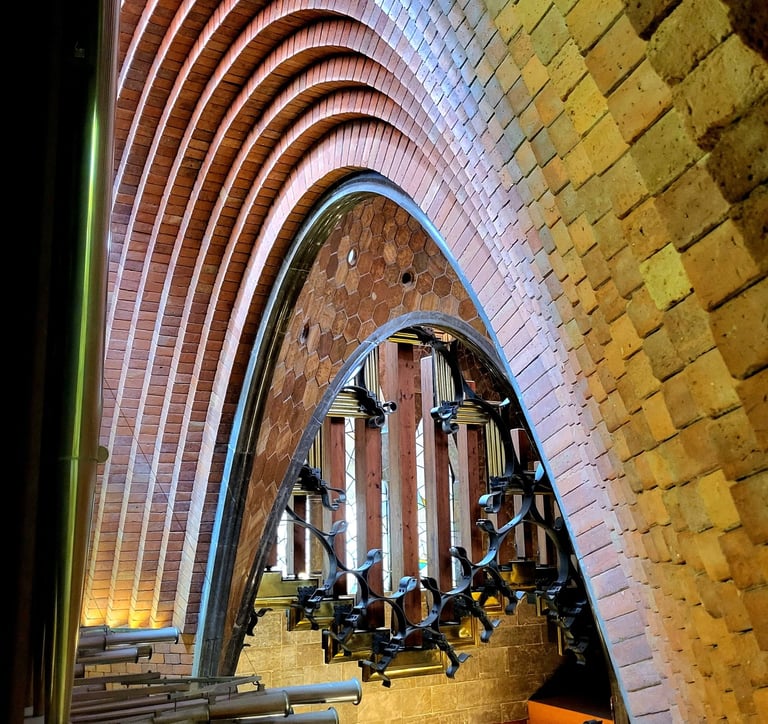
Palau Güell
Carrer Nou de la Rambla, 3-5
Designed by Antoni Gaudí, this building was partly funded through wealth derived from trade, including the slave trade.