STEP INTO BLACK HISTORY
Explore how Black artists and activists navigated these streets, and how their observations, resistance, and writing influenced each other and Catalan writers. Examine how racism and colonial ideology were built into the social institutions, sometimes literally, shaping attitudes that still echo today.
This tour was compiled in recognition of Juneteenth, an American holiday that commemorates the day (June 19, 1865) when enslaved Black people in Texas learned - two months late - from Union troops that the Civil War had ended (on April 9, 1865). Juneteenth celebrations have expanded geographically with the movement of Black Americans. Celebrations abroad use the day to recognize the end of slavery, liberation generally, and to celebrate the culture, achievements, and interconnectedness of the African diaspora.
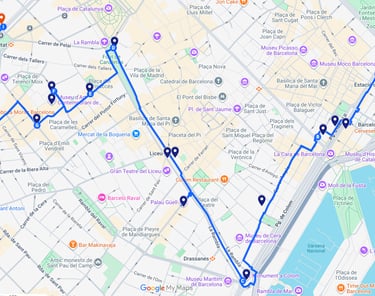
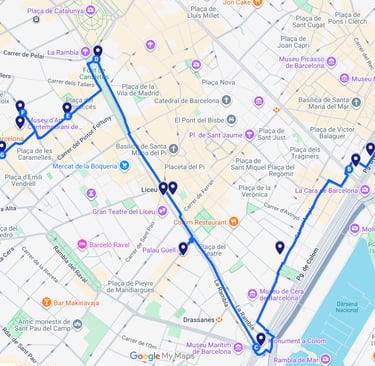
On this self-guided walking tour, trace the visible and invisible footprints of Black diasporic presence: from medieval accounts of African and Afro-descendant residents, to monuments funded by colonial profits, to neighborhoods shaped by migration from former Spanish colonies, to the hubs of knowledge and centers of community open today.
As part of a Juneteenth celebration in Barcelona, this tour connects the dots of power, capitalism, literature, culture, and history as an integrated whole for residents and visitors to enjoy and learn from on an important day in Black American history.
Tour duration: 2-3 hours
Level of difficulty: Easy. Flat ground.
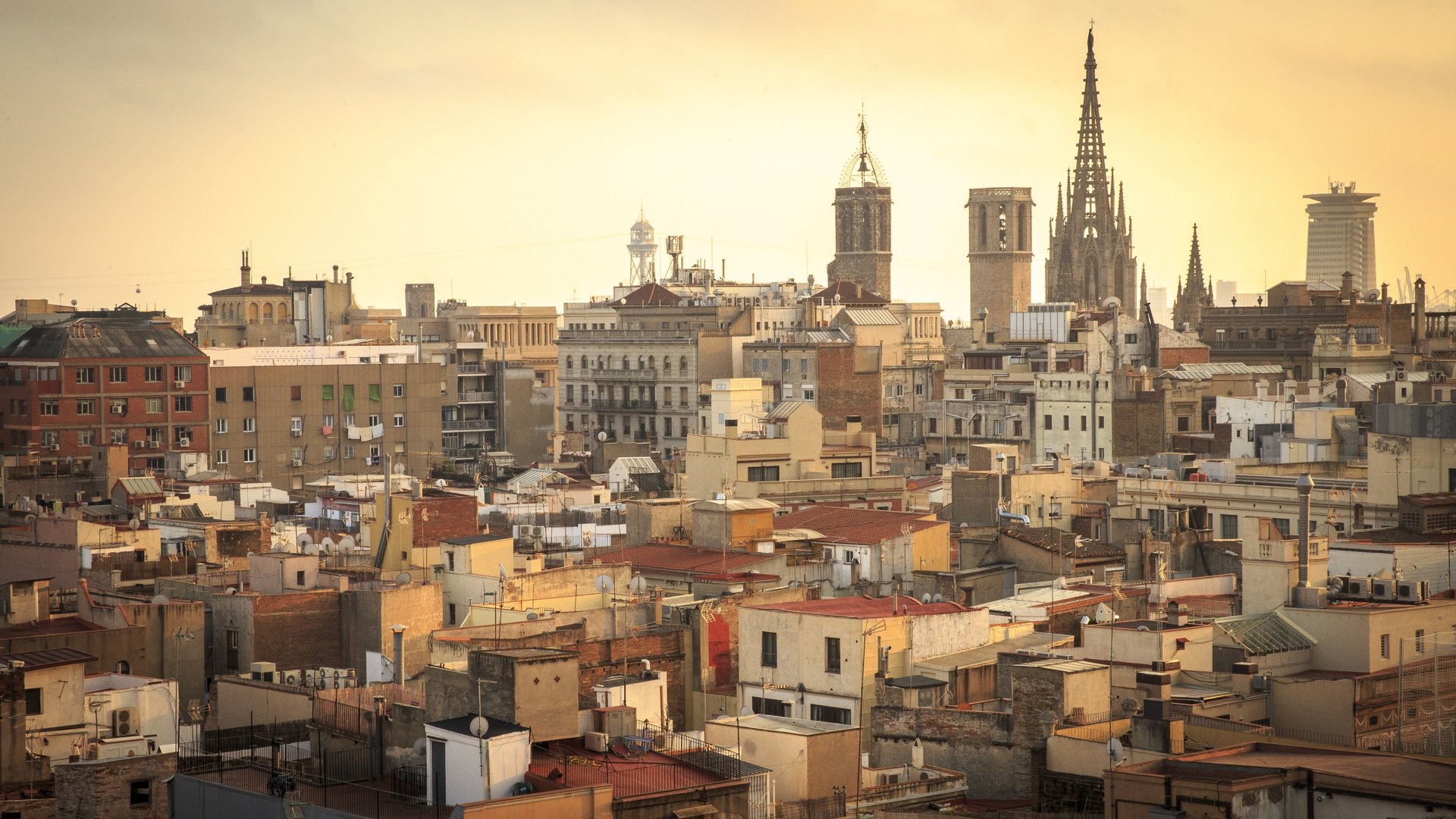
Start: Estació de França
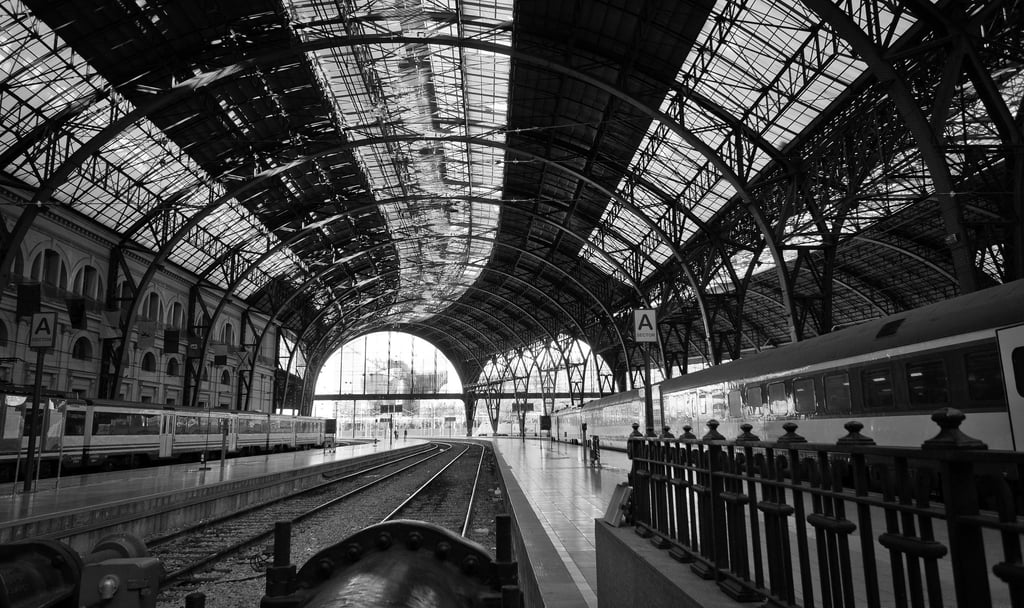
Photo by: Joan Vega
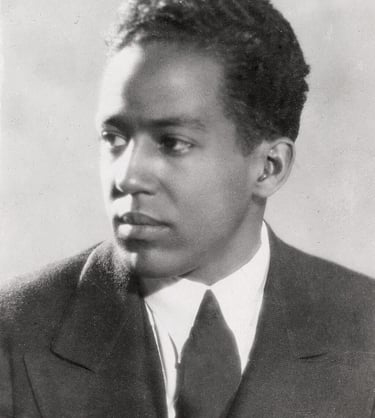
In July 1937, Langston Hughes (1901-1967) arrived in Barcelona via this station. He came as a journalist and poet covering the Civil War from a Black American perspective that was rarely centered in European narratives. Writing primarily for the Baltimore Afro-American, Hughes supported the Republican cause, but he did not approach the conflict as a romantic struggle between abstractions. He viewed Spain through the lenses that had long shaped his work: race, labor, colonialism, and the global circulation of power.
Hughes differed sharply from contemporaries like Hemingway in tone and intent. He did not mythologize the war, nor did he seek moral clarity through spectacle. Where Hemingway pursued drama and posture, Hughes documented exclusion, sacrifice, and contradiction. He paid close attention to Black volunteers in the International Brigades and to the persistence of racial hierarchies even within movements that claimed egalitarian ideals. Almost immediately, he recognized the hypocrisy of fighting fascism abroad while racism remained entrenched at home in the United States.
This perspective was not new to him. Born in 1901, Hughes was already one of the most important American writers of the 20th century and a defining voice of the Harlem Renaissance by the time he reached Spain. His body of work - spanning poetry, fiction, journalism, and social critique - was grounded in Black life as it was actually lived, not abstracted or sentimentalized. Drawing from jazz, blues, oral storytelling, and everyday speech, Hughes insisted that Black culture was not marginal but foundational to modernity itself.
Politically and intellectually, Hughes was a leftist internationalist, though never doctrinaire. He was deeply skeptical of American liberalism’s promises, particularly where race and labor were concerned, and he viewed capitalism, racism, and imperialism as structurally linked. Long before Spain, he had written with clarity about lynching, segregation, economic exploitation, and the gap between democratic rhetoric and lived reality. What distinguished Hughes was not simply critique, but discipline: his refusal to separate culture from material conditions or art from accountability.
Later that year, Hughes passed through Barcelona again, arriving by train from Valencia on December 10, 1937. On this second visit, he checked into the Hotel Urbis near the city center and attended a concert by the Catalan Symphony, an experience that underscored the persistence of cultural life even as the war tightened around the city. His movements remained modest, his observations precise. He did not linger, and he did not embellish.
Unlike Orwell, Hughes did not center ideological betrayal as his primary subject. Unlike Hemingway, he did not seek narrative heroism. His writing from Spain situates the Civil War within a global system of power, where fascism, colonialism, and racial capitalism reinforced one another. He understood the conflict not as a singular European crisis, but as part of a larger continuum - one in which struggles against oppression were inseparable across borders.
Spain sharpened Hughes’s international perspective, but it did not define it. He left Barcelona with his worldview intact and confirmed: that liberation movements fail when they ignore race; that solidarity collapses when power goes unexamined; and that art loses its force when it detaches itself from the lives of ordinary people. In this sense, Hughes stands slightly apart from the others - not disillusioned, not romanticized, but steady. Barcelona did not break him. It clarified him.